
products
‹
›
‹
›
Product Parameters
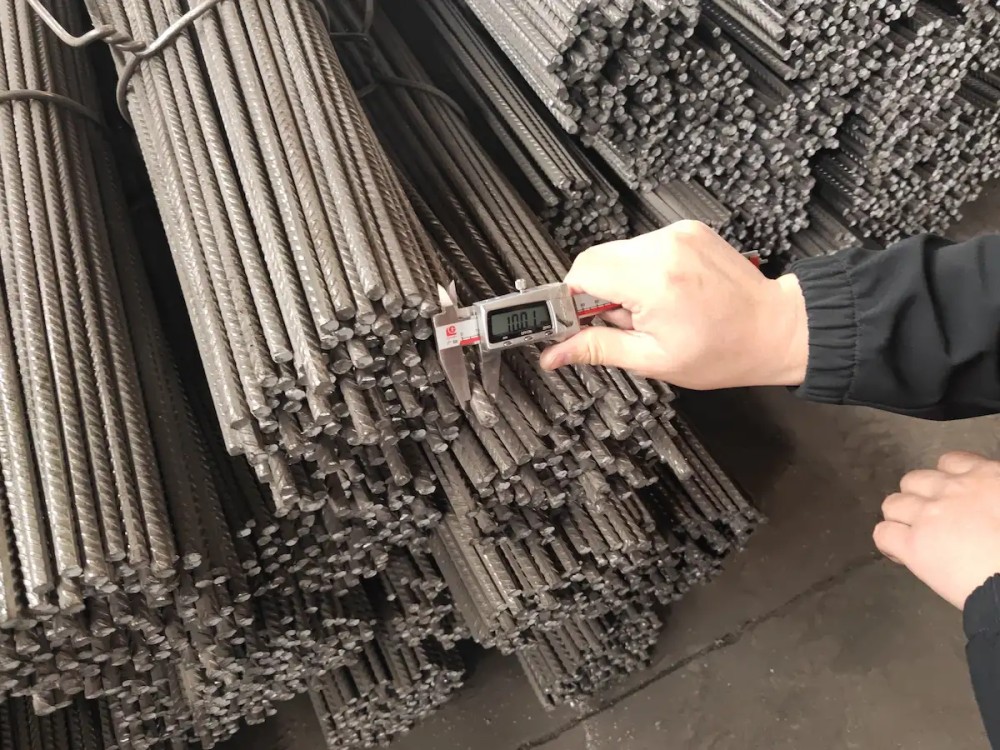
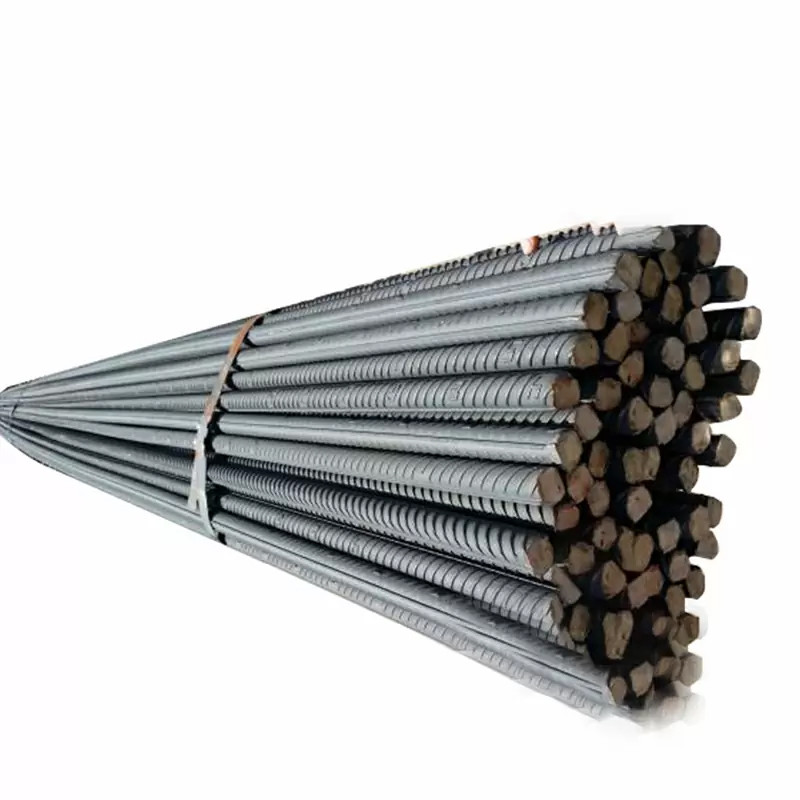
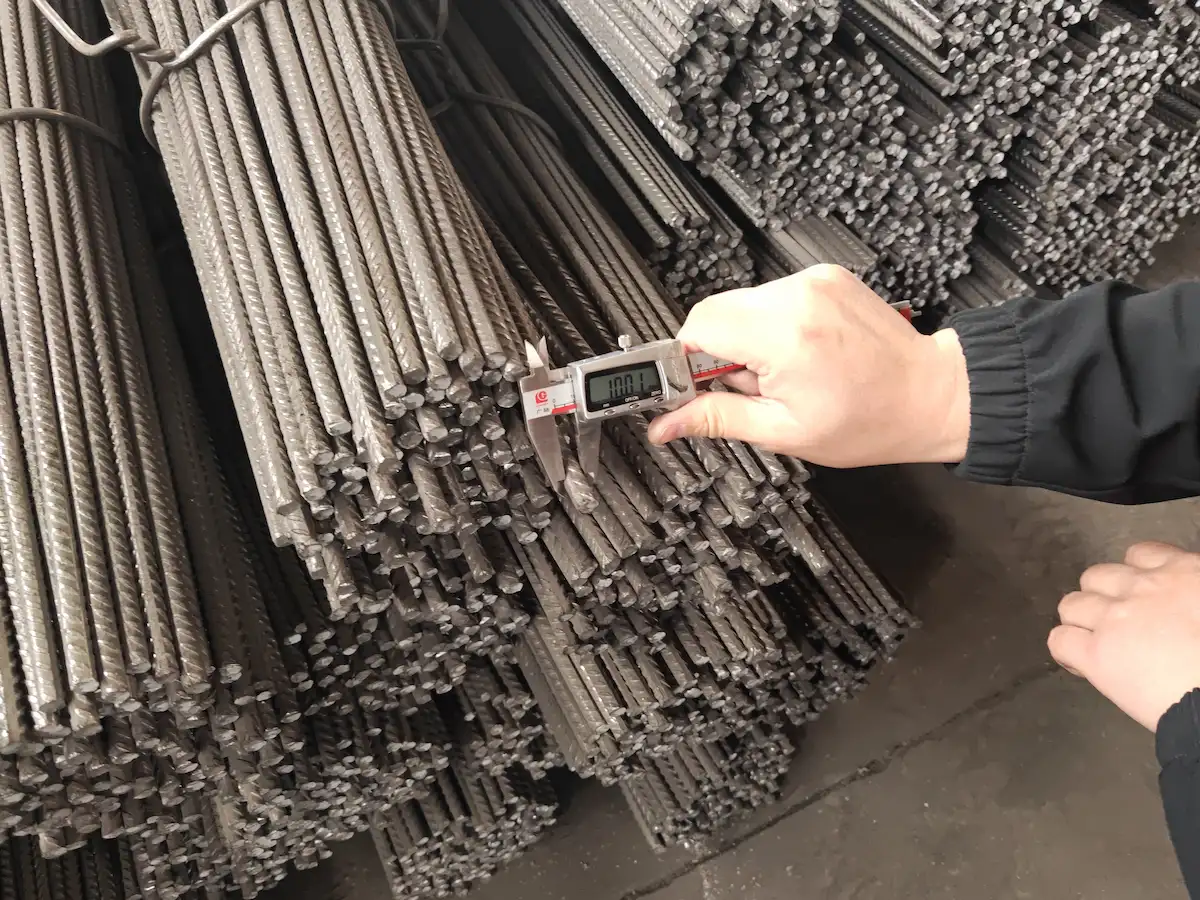
Rebar consists of steel bars or rods primarily used in reinforced and prestressed concrete structures; it serves as the load-bearing framework within the concrete to withstand tensile stress. When used in combination—leveraging concrete's compressive strength and rebar's tensile strength—the two materials complement each other, significantly enhancing the structure's overall strength and durability.
Section Shape :Plain round steel bars, ribbed steel bars (herringbone, crescent, and spiral patterns), steel wire (cold-drawn low-carbon steel wire, carbon steel wire), cold-rolled twisted steel bars, etc.
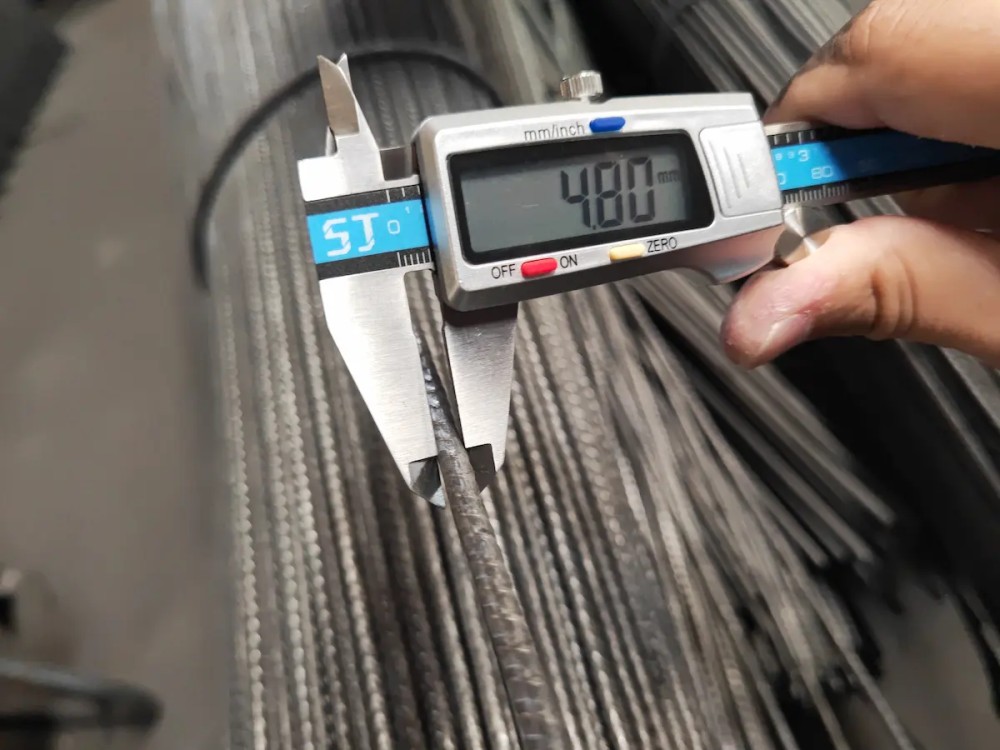
Size:6mm,8mm,10mm, 12mm, 13mm, 14mm, 16mm, 20mm, 22mm, 25mm, 30mm, 32mm, 40mm,50mm,ect
Length: 5m-14m,5.8m,6m,10m-12m, as customer's actual reques
Material :HRB335, HRB400, HRB500,HRB400E,HRB500E, ect
Standard: BS4449-2005,GB1449.2-2007,JIS G3112-2004, ASTM A615-A615M-04a,Korea StandarsKS D 3504, AustralasianStandard AS/NZS 4671
Grade:• H: Hot-rolled• P: Plain• R: Ribbed• B: Bars• E: Earthquake-resistant
Technique: Cold-rolled steel bars and hot-rolled steel bars
Packing :Cold-rolled steel bars and hot-rolled steel bars
Product specification

Key Features
1. High Strength
Steel reinforcement possesses high tensile and compressive strength, enabling it to withstand significant external loads and ensuring the stability and safety of the structure.
2. Good Ductility and Seismic Performance
The yielding process of steel reinforcement exhibits significant deformability, allowing it to effectively absorb energy from loads such as earthquakes and strong winds. This prevents sudden, brittle structural failure and enhances the building's ductility and seismic resilience.
3. Plasticity and Workability
Steel reinforcement can be processed into various shapes and sizes through bending, cutting, and welding, offering flexibility in construction to meet diverse engineering requirements.
4. Synergistic Action with Concrete
Steel reinforcement and concrete have similar coefficients of linear expansion, enabling effective load transfer. This synergy creates a "reinforced concrete" structure that leverages concrete's compressive strength while compensating for its limited tensile strength.
5. Cost-Effectiveness and Recyclability
Raw materials for steel reinforcement are widely available, and construction techniques are mature, offering excellent overall value. Additionally, it is a recyclable material, aligning with sustainable development goals.
6. Durability and Long-Term Reliability
Under normal conditions, reinforced concrete structures have a service life exceeding 50 years; they demonstrate strong resistance to weathering and require relatively low maintenance costs.
Prefabricated rebar: Processed in factories into components such as beams, columns, and slabs based on design drawings, then hoisted and installed on-site, thereby reducing the workload of on-site rebar
tying.
Welded rebar mesh: Used for floor slabs and ground flooring to improve construction efficiency and reduce labor requirements.
High-strength rebar: Features a tensile yield strength of 400 MPa or higher, enabling steel savings of 12%–14% (e.g., replacing HRB335 with HRB400); its benefits are particularly significant in high-rise,
long-span, and seismic-resistant structures.
Corrosion-resistant rebar: Such as epoxy-coated rebar, suitable for use in corrosive environments like marine or chemical processing facilities.
Composite rebar: Combines carbon steel with fiber-reinforced composite materials to enhance mechanical properties and durability.
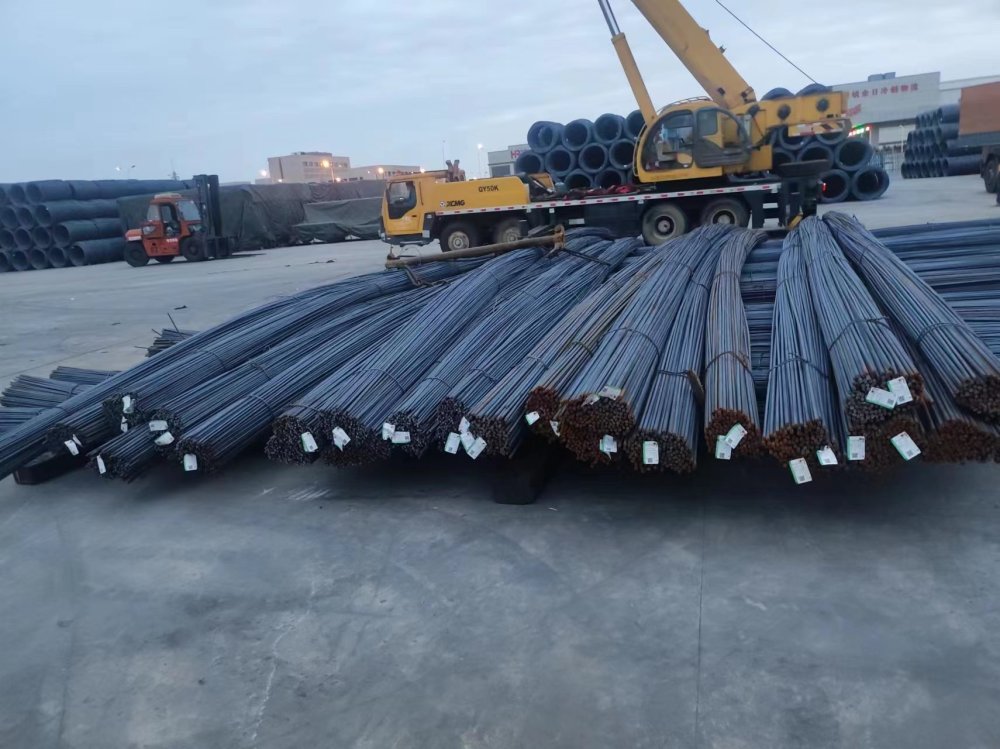
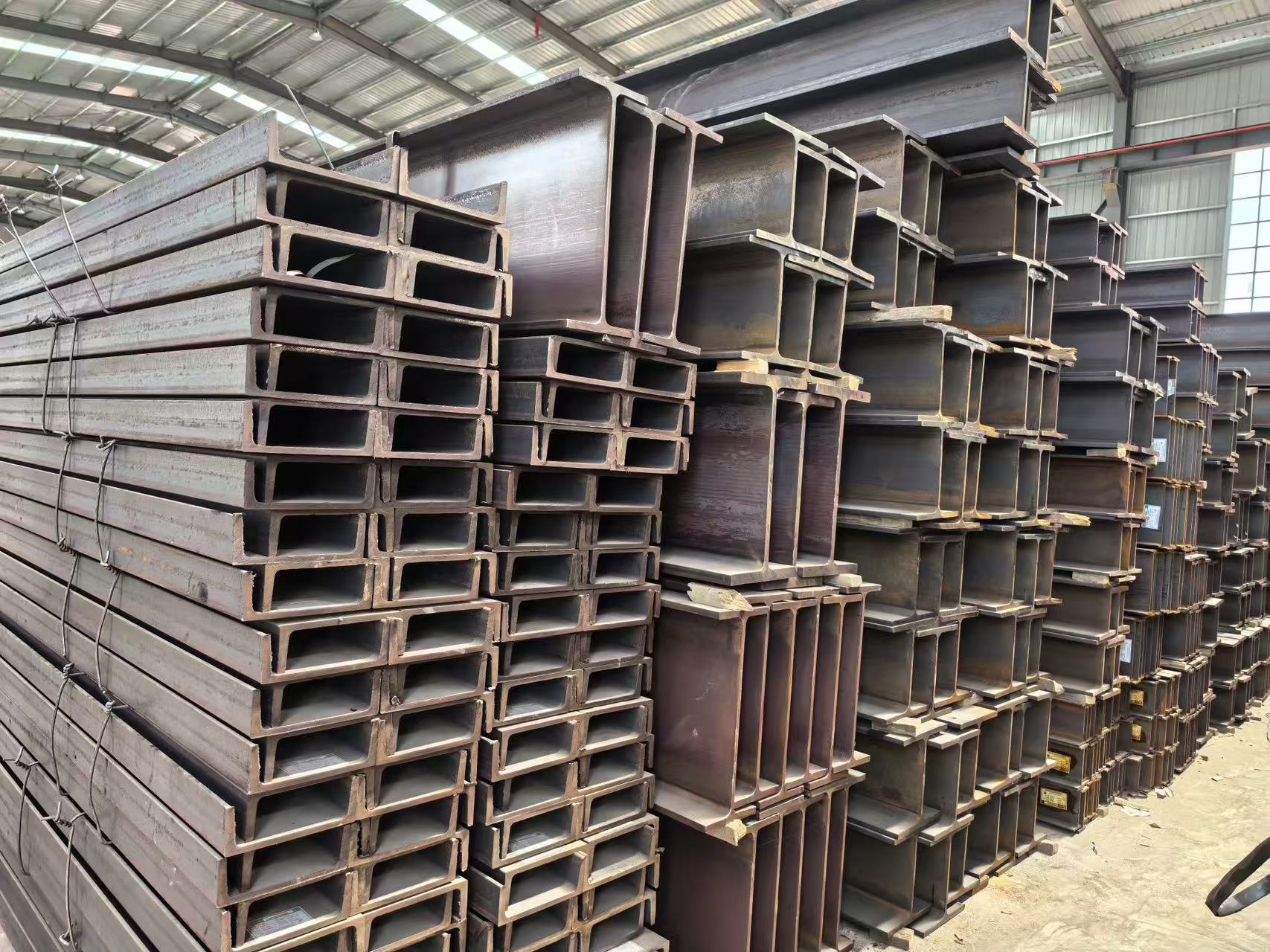
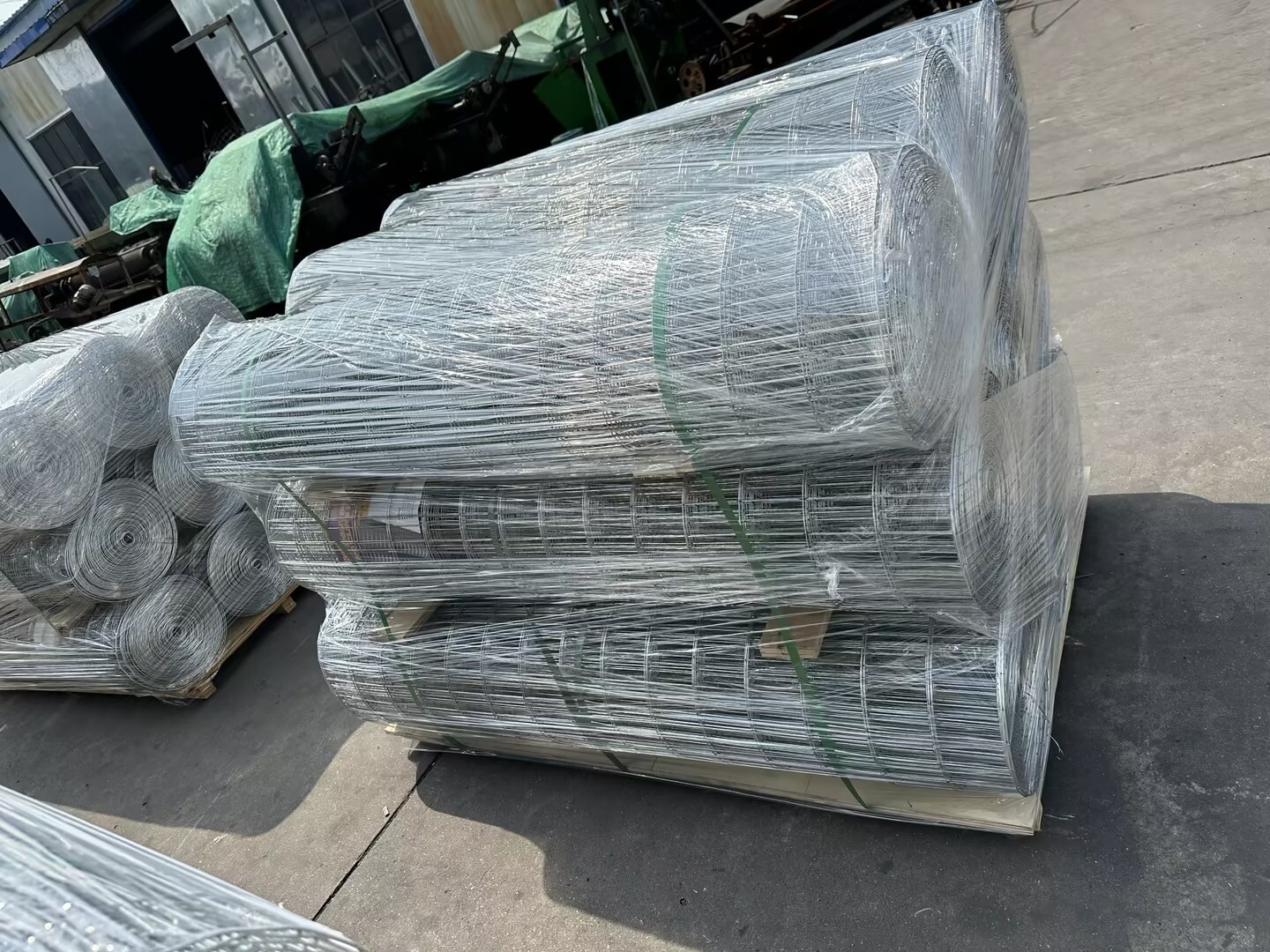
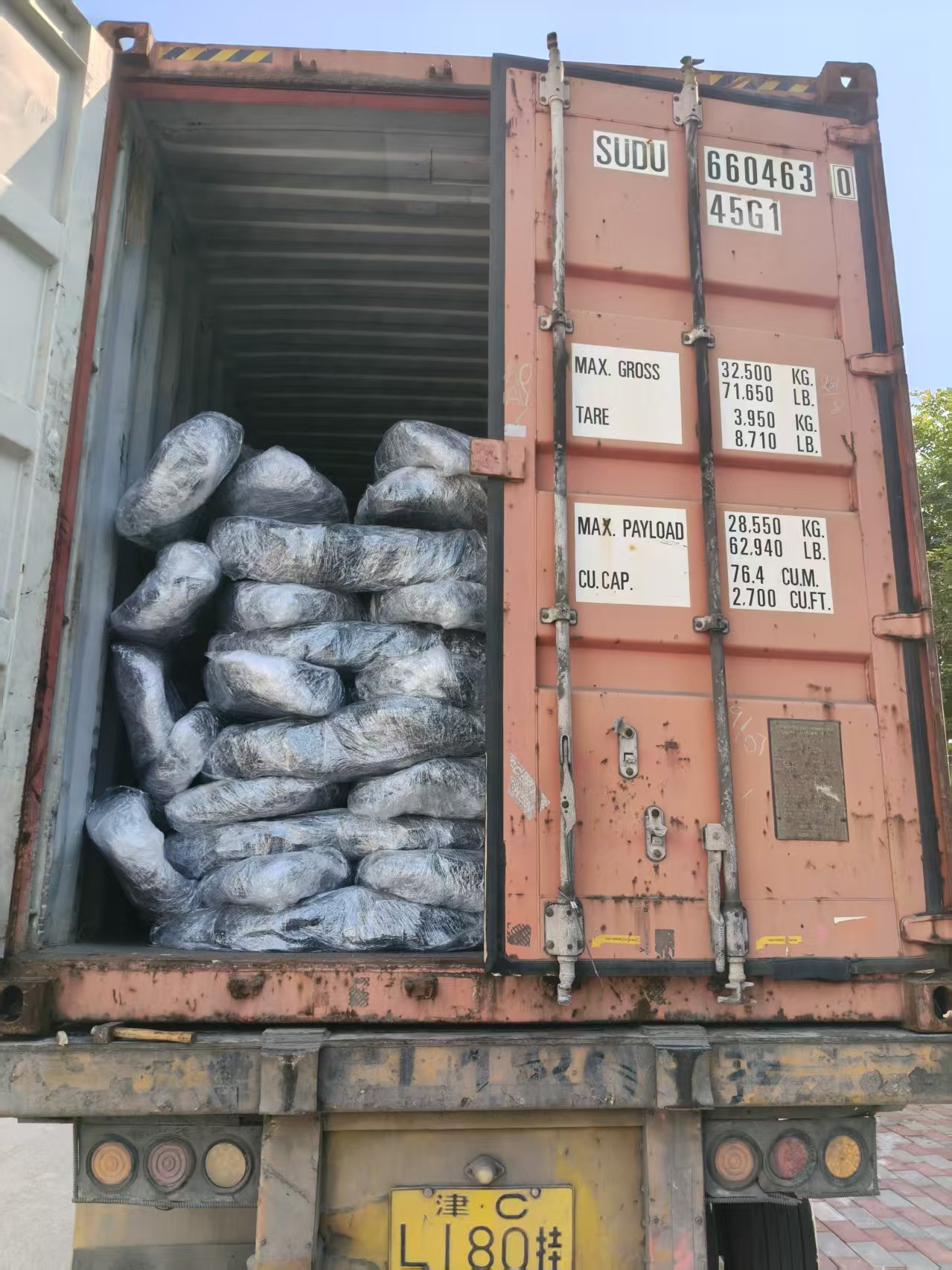
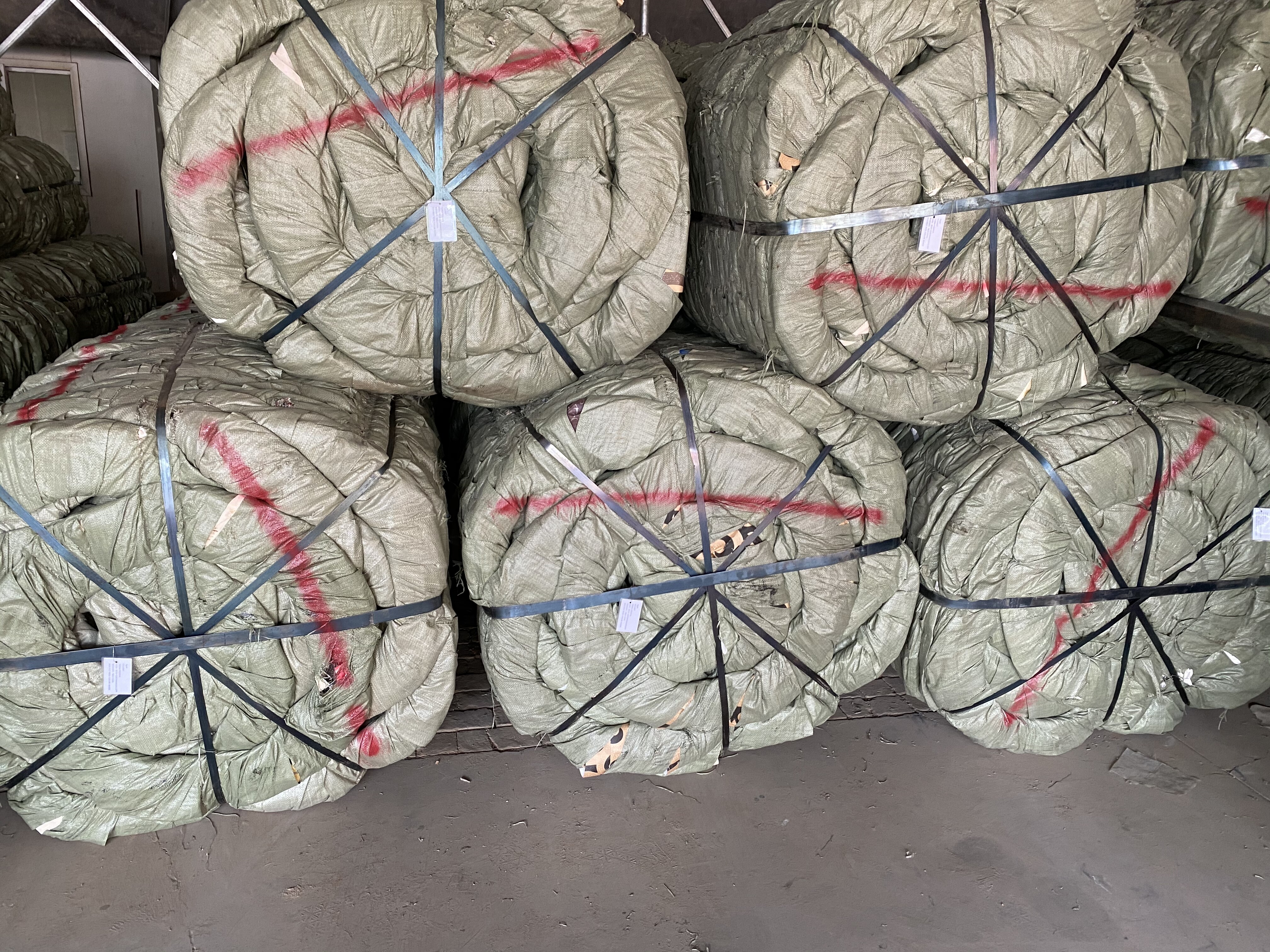
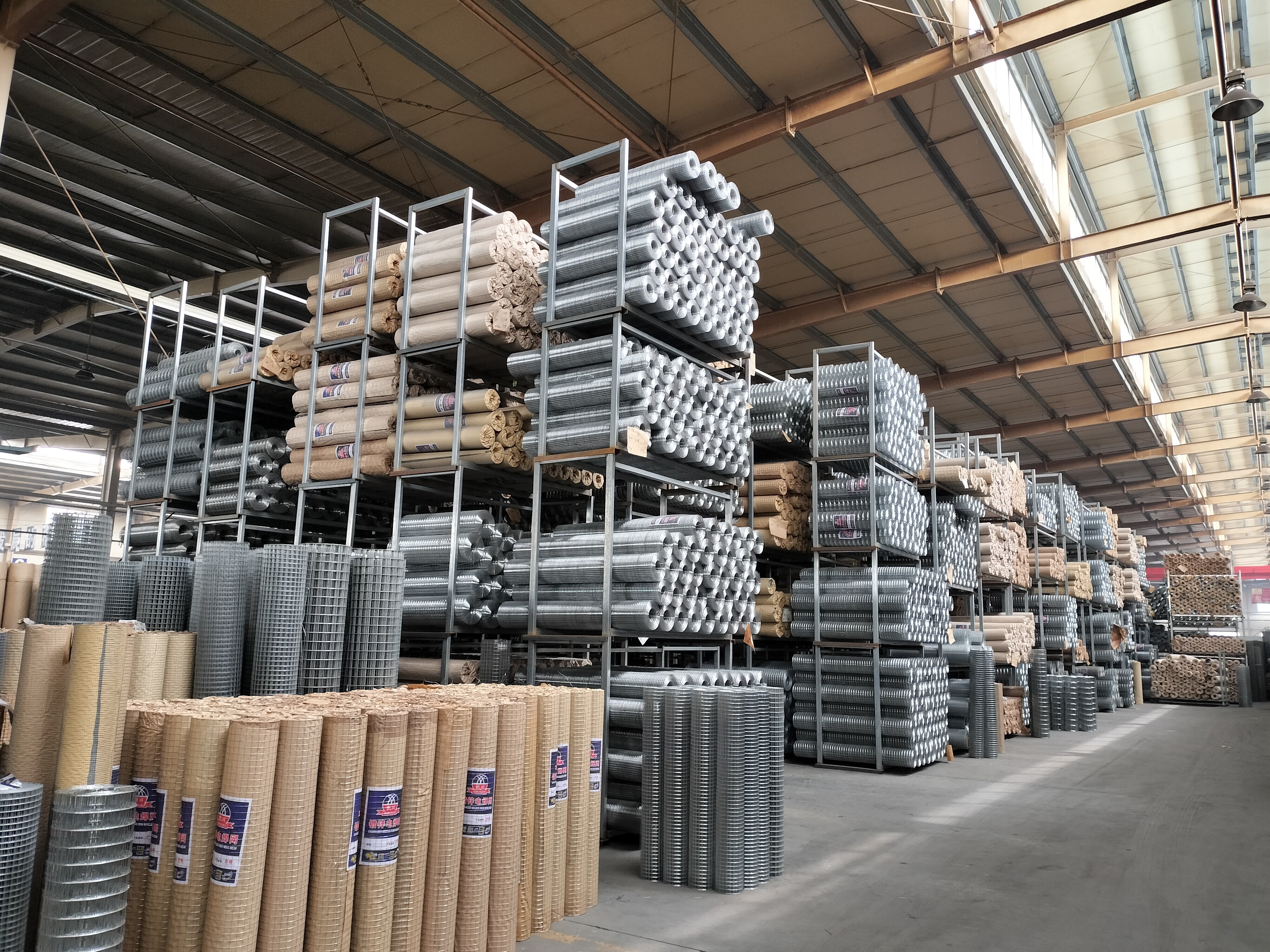
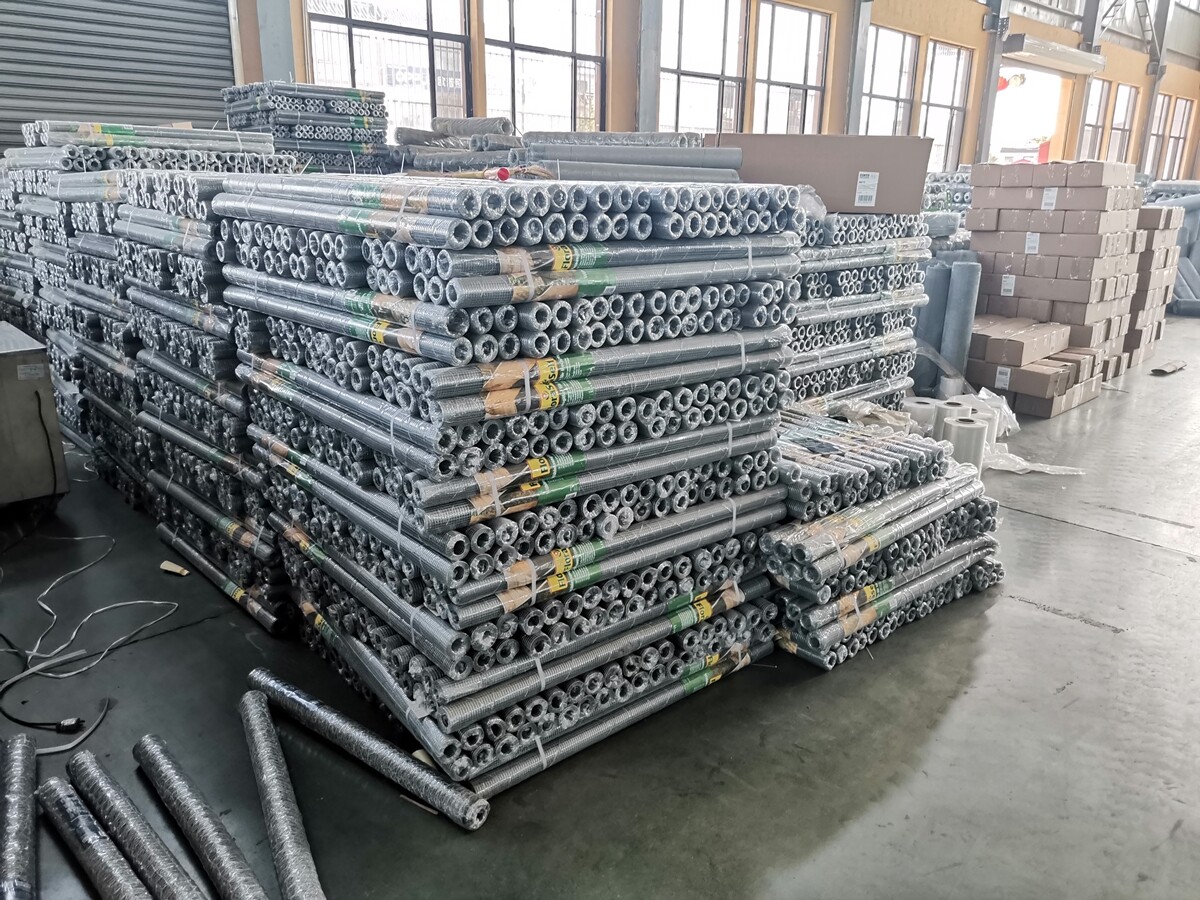
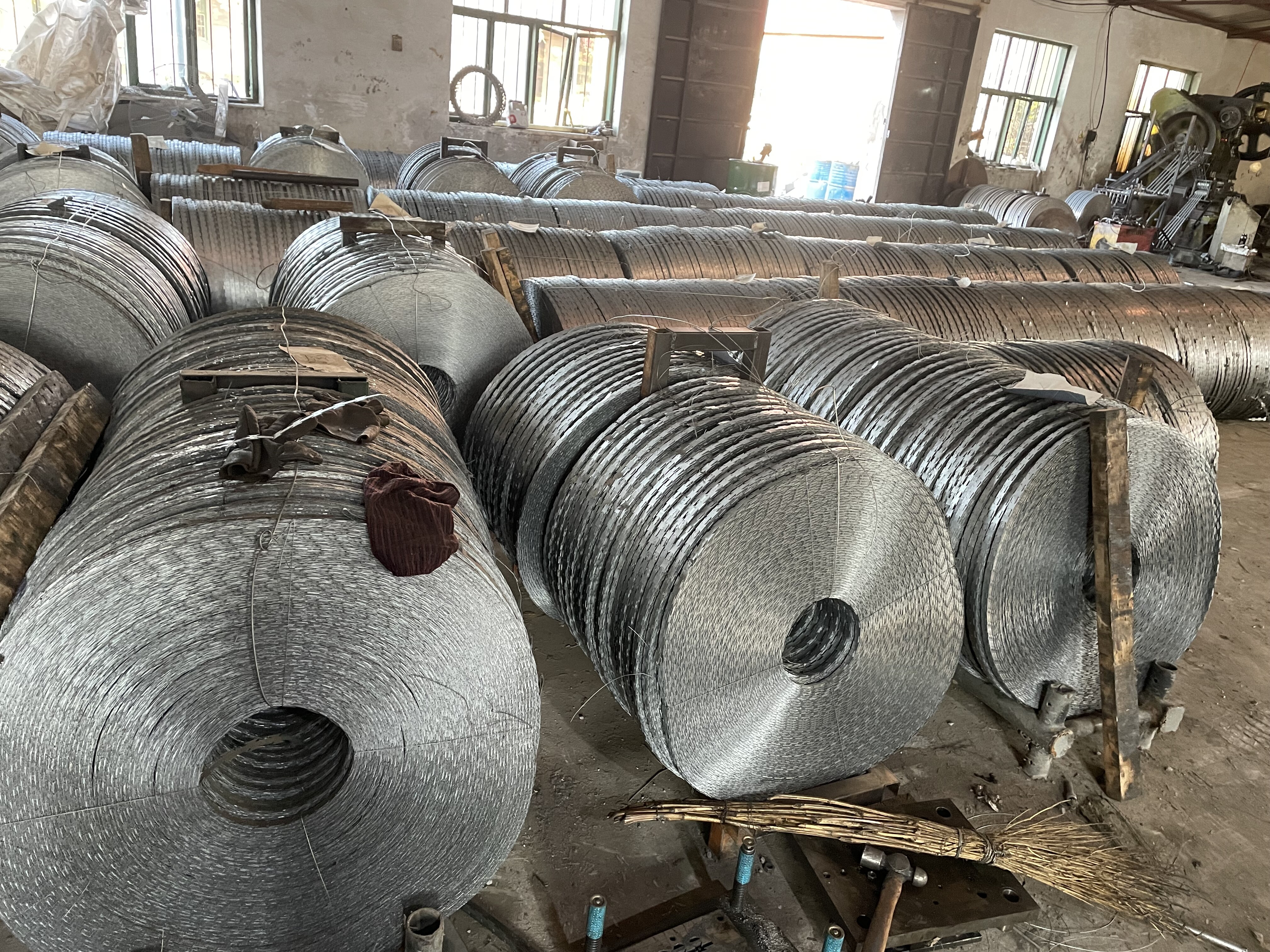
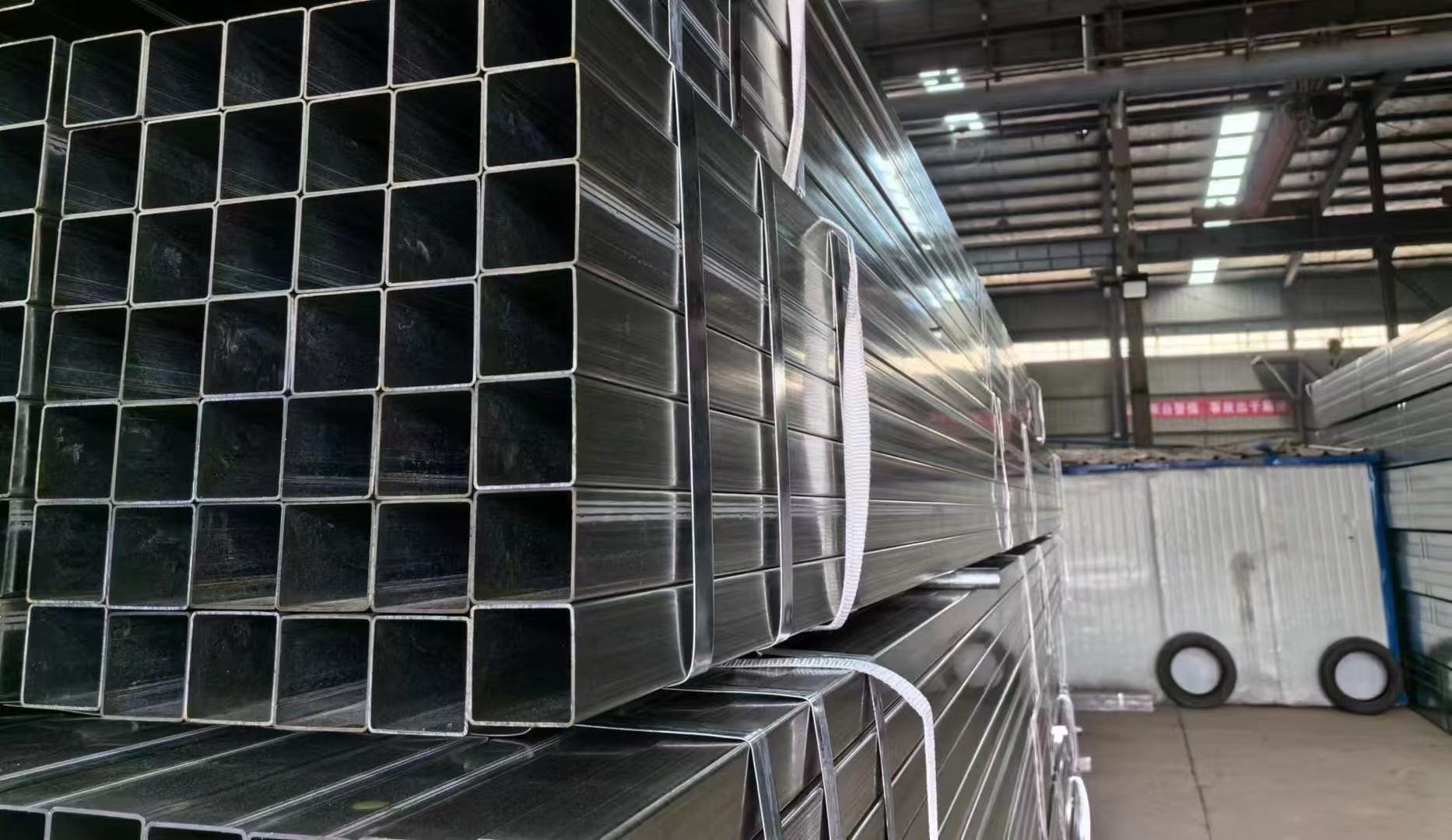
Transport Packaging
We adhere to the management principle of "quality first, service first, continuous improvement and innovation to meet customer needs"
Partners
The company has sufficient inventory, supports customization, and has complete varieties and specifications.











Products Recommended
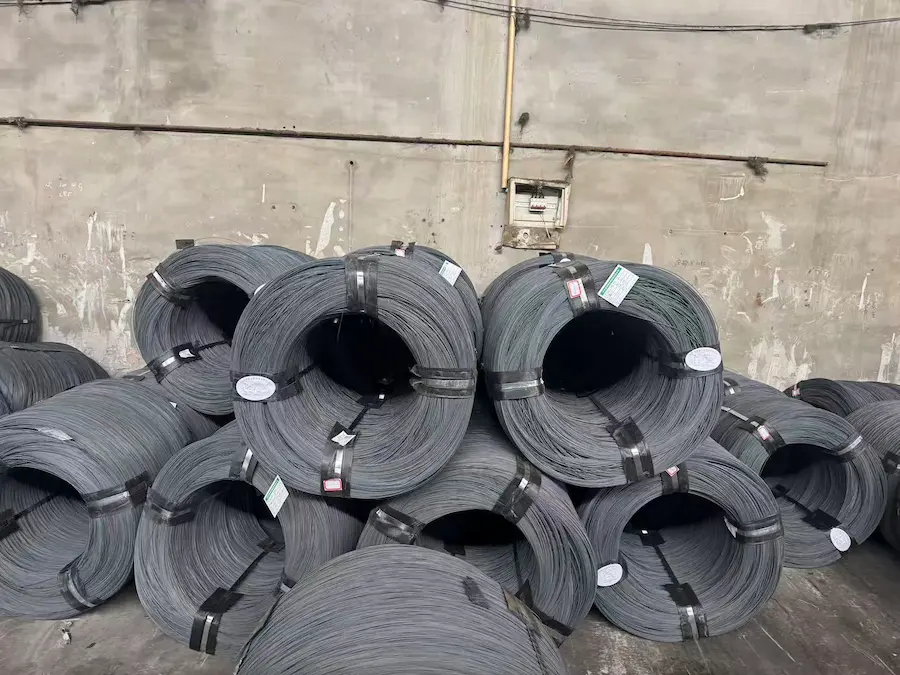
 Carbon Steel WireProduct Name:Carbon steel wire rod
Diameter: 0.15-16.00mm
Material:Q235 SAE1006 1008 1010 1022 Carbon steel
MOQ:5 ton , We can accept sample order.
Product type:Plain round/Twisted
Export packing :Standard Export Seaworthy Package.Suit for all kinds of transport,or as required
Standard:GB4357,DIN17223,JIS G 3521 , EN10270-1
Surface treatment:Custom Made,Black,Polishing,Mirror A/B,Lusterless,Acid Washing,Varnish Paint
Delivery time: 7-10 days after receive the deposit.
Technology: cold drawn, cold rolled, hot rolled.
Main application : making spring,mattress,wire rope, brush, cable
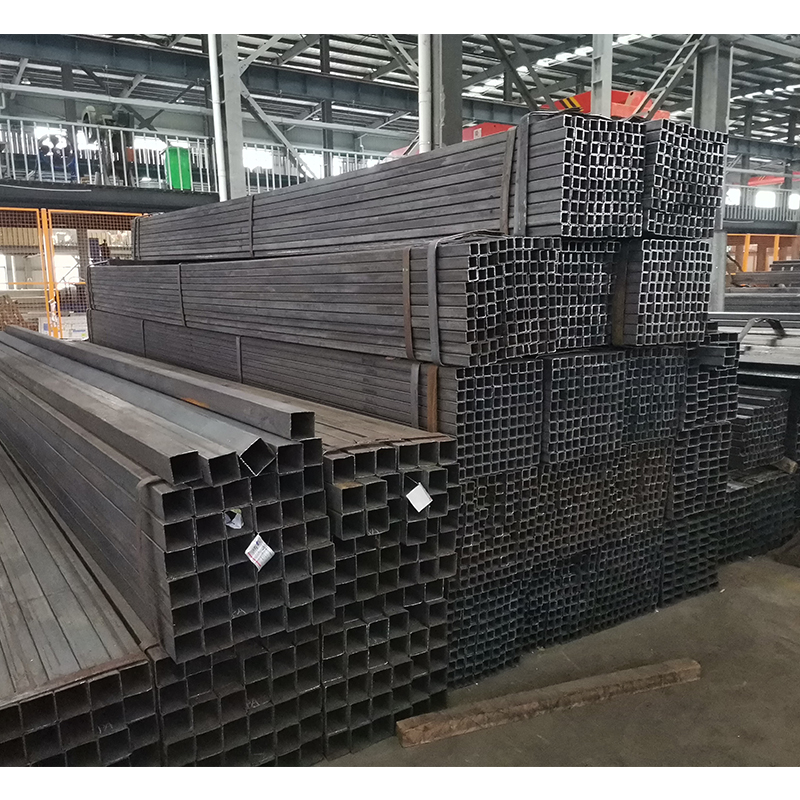
DIN :The customer request Carbon Steel Square & Rectangular Tube
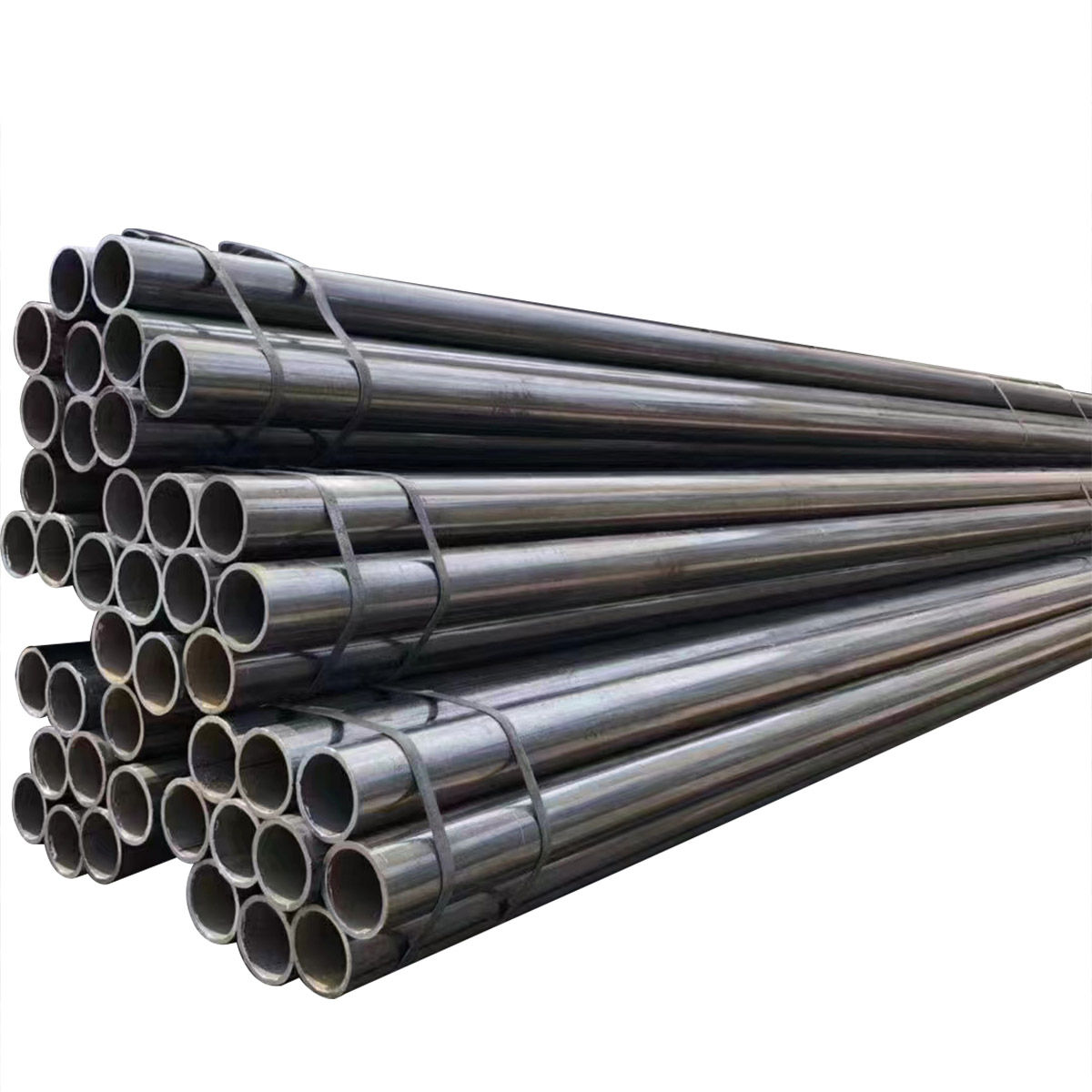
 Carbon Steel Round Tube
 RebarsMaterial :BS4449, Gr460B,Gr500B, GB1449.2, HRB335, HRB400, HRB500,HRB400E,HRB500E, ASTM A615, GR40/GR60/GR75, JIS G3112,SD390,SD360 KoreaStandarsKS D 3504 SD400 SD500 SD600, AustralasianStandard GR500N
Size:6mm,8mm,10mm, 12mm, 13mm, 14mm, 16mm, 20mm, 22mm, 25mm, 30mm, 32mm, 40mm,50mm
Length: 5m-14m,5.8m,6m,10m-12m,12m or as customer's actual reques
Standard: BS4449-2005,GB1449.2-2007,JIS G3112-2004, ASTM A615-A615M-04a,Korea StandarsKS D 3504, AustralasianStandard AS/NZS 4671
Grade: Grade A, Grade B, Grade C
Section Shape : Spiral Shape,Herringbone Shape,Crescent Shape
Technique: Steel Rebar Iron Rod
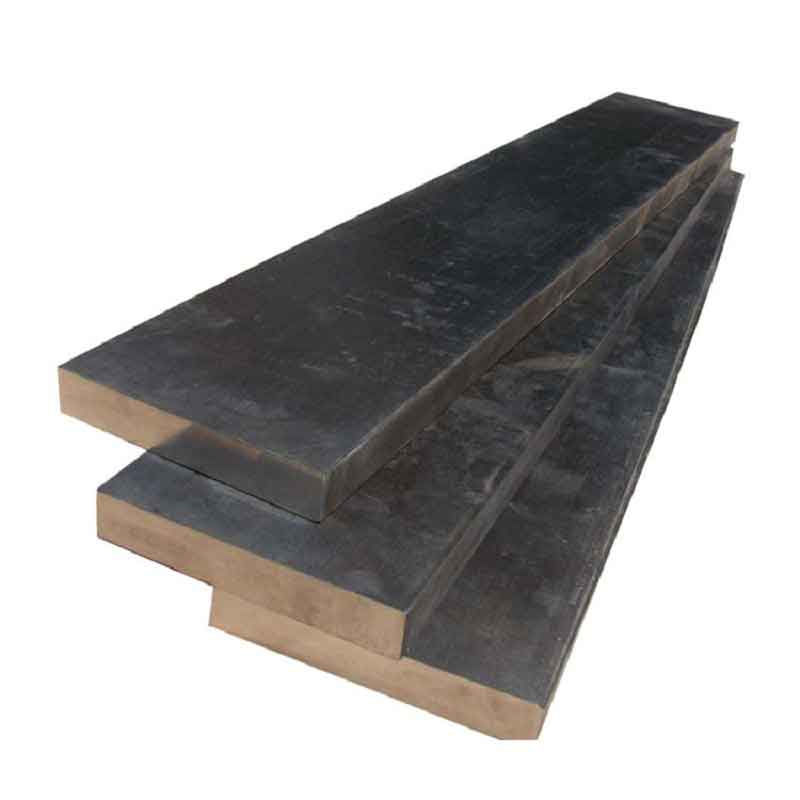
Packing :Bundle, or with all kinds of colors PVC or as your requirements Ends Plain end/Beveled,protected by plastic caps on both ends, cut quare,grooved,threaded and coupling,etc. Carbon Steel Flat SteelFlat steel,refers to 12-300mm wide,3-60mm thick,rectangular section and slightly with a blunt edge of steel.Flat steel can be finished steel,can also be used as a blank for welding pipe and thin slab for rolling sheet.Main uses:flat steel as a finished material can be used for hoop iron,tools and mechanical parts,as building frame structure,escalator.
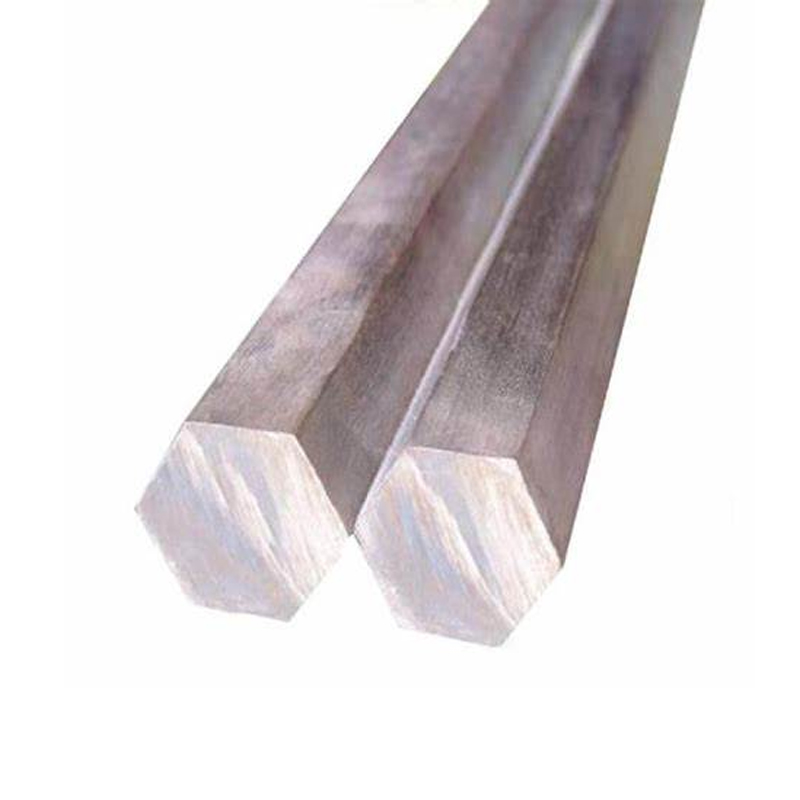
 Carbon Steel Hexagonal SteelThe hex bars have good machinability,mechanical features and close dimensional precision as it is rolled steel.Hex bar is typically employed in heat exchangers, chemical equipment,aerospace parts,tanks and marine equipment,among its many uses.They are used in various industrial and commercial requirements and are supplied worldwide
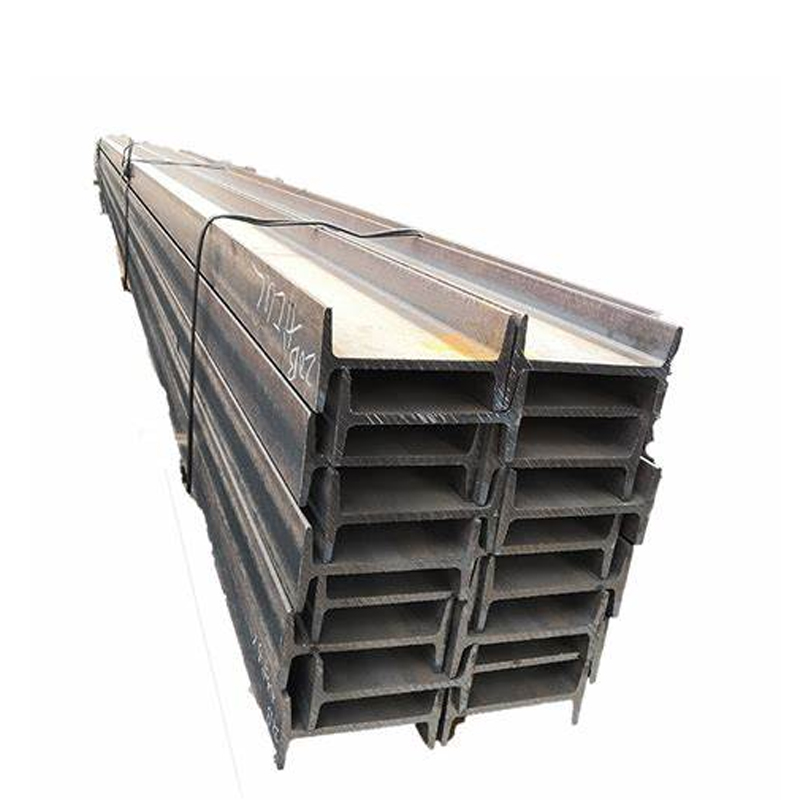
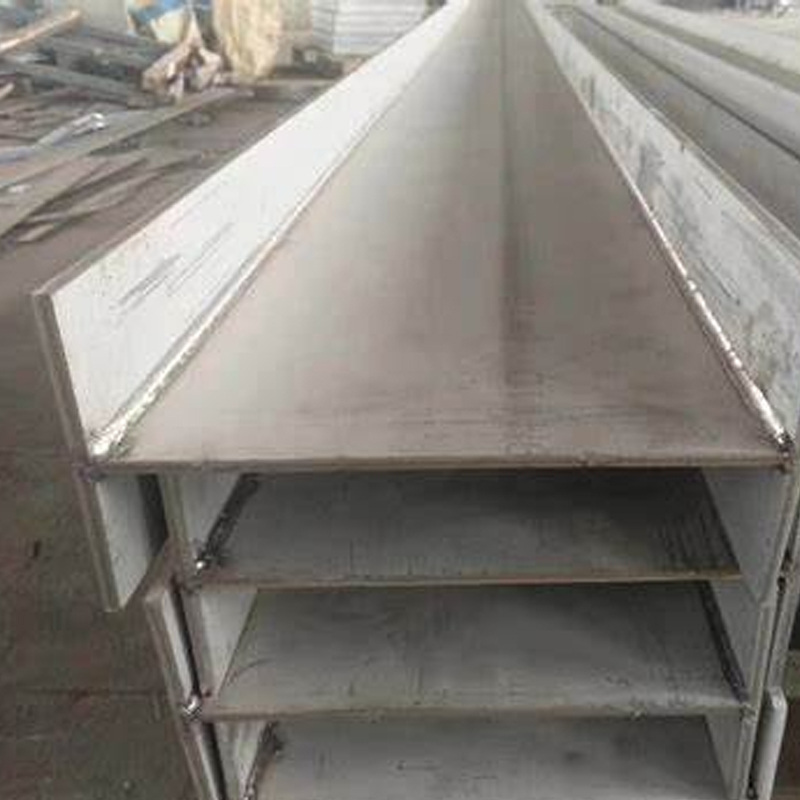
 Carbon Steel H SteelH-beam is a new type of steel for economic construction. H-beam has economical and reasonable cross-sectional shape, good mechanical properties, uniform extension of each point on the cross-section and small internal stress during rolling. Compared with ordinary I-beam, H-beam has the advantages of large cross-sectional modulus, light weight and metal saving, which can reduce the building structure by 30-40%. In addition, because its legs are parallel to the inner and outer sides and the leg ends are right angles, the welding and riveting work can be saved by 25%.
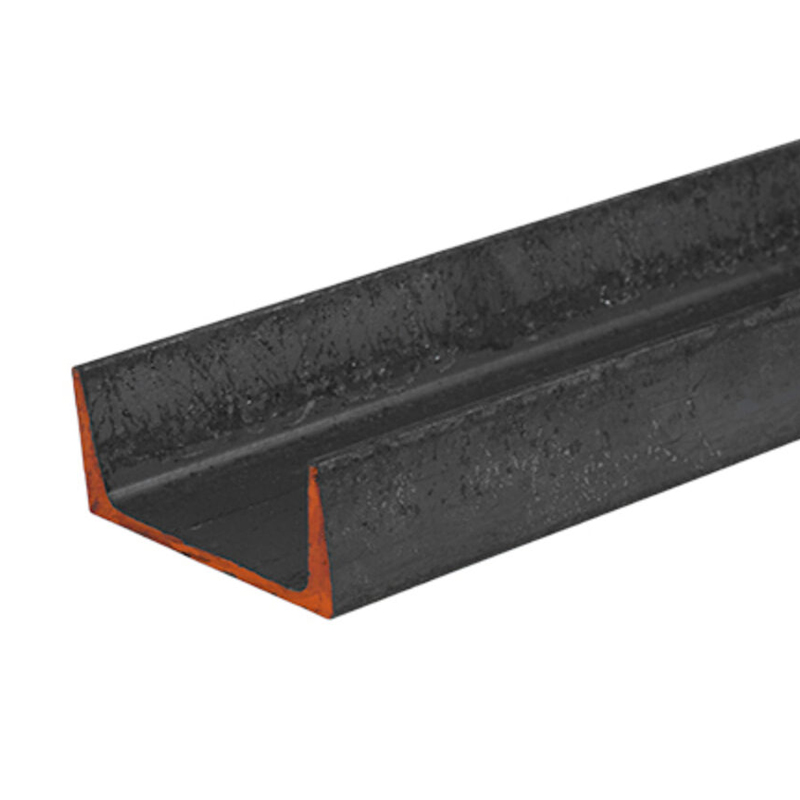
 Carbon Steel Channel SteelChannel steel is a long strip of steel with a groove-shaped section, which is a carbon structural steel for construction and machinery. It is a section steel with a complex section, and its section shape is groove-shaped. Channel steel is mainly used for building structure, curtain wall engineering, mechanical equipment and vehicle manufacturing.
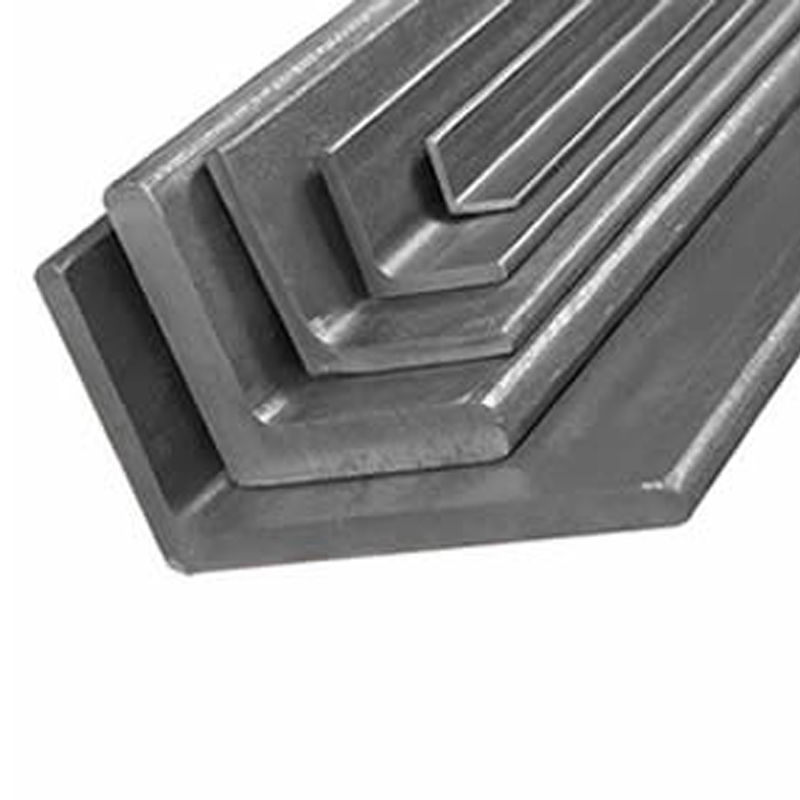
 Carbon Steel Angle SteelAngle steel, commonly known as angle iron, is a long strip of steel with two sides perpendicular to each other. Angle steel can be composed of different force components according to the different needs of the structure, and can also be used as a connector between components. Widely used in various building structures and engineering structures, such as beams, bridges, transmission towers, lifting and transportation machinery, ships, industrial furnaces, reaction towers, container racks, cable trench supports, power piping, bus support installation, and warehouse shelves.
 Carbon steel I-beamI-beam is mainly divided into ordinary I-beam, light I-beam and low alloy light I-beam. Ordinary I-beam and light I-beam flanges are thick on the web plate and thin on the outside. Ordinary I-beam, light I-beam, because the cross-sectional dimensions are relatively high, narrow, so the section of the two main sleeve moment of inertia difference is large, which makes it in the scope of application has a great limitation. The use of I-beam shall be selected according to the requirements of the design drawings.
 Carbon Steel Plate / SheetCarbon steel, on the other hand, has far lower chromium levels, and is instead a carbon-iron alloy with only a few other materials, if any, as part of its makeup. As a result, it can be referred to as ‘low-alloy’ steel. Both stainless steel and carbon steel feature this basic composition, but carbon steel can be defined by its carbon content. This is normally around 2-2.5%, however this often varies. Though susceptible to rust unlike stainless steel, carbon steel is often cheaper and has its own varying mechanical properties based on carbon content.
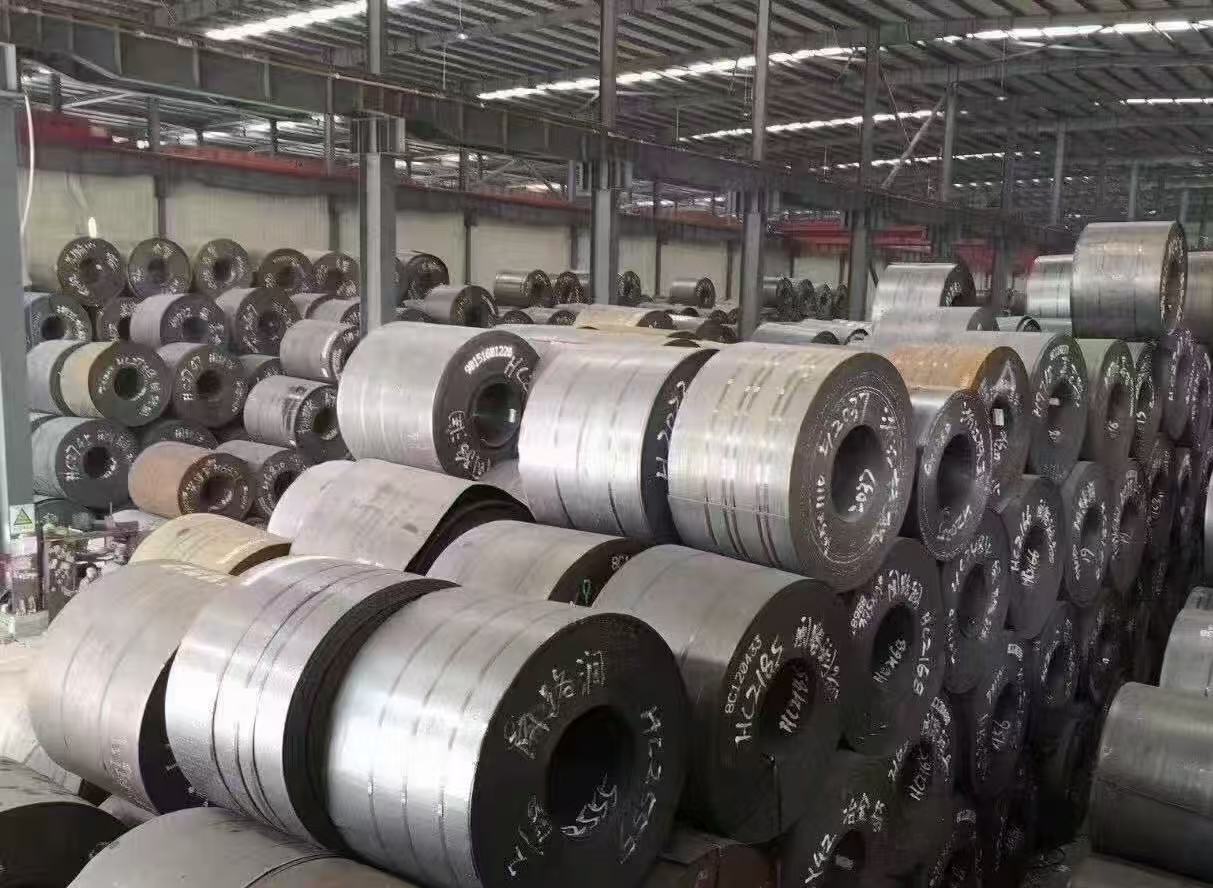
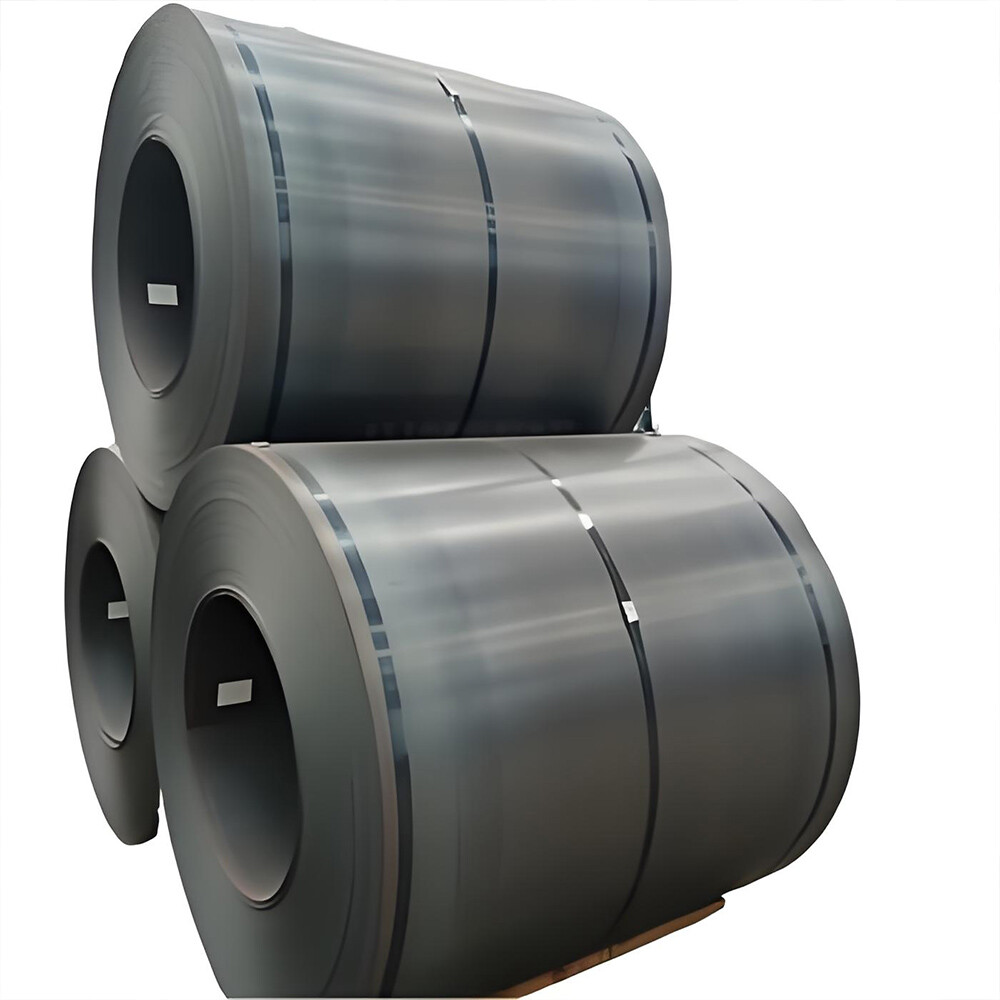
 Carbon Steel CoilCold rolled steel coils are often used in the steel industry and are different from hot rolled coils. It refers to a steel strip that is directly rolled into a certain thickness with a roll at room temperature and rolled into a whole roll with a winder. Compared with hot-rolled coils, cold-rolled coils have a brighter surface and higher finish, but generate more internal stress, and are often annealed after cold-rolling.

Get real-time quotes
Interested? Leave your contact details.